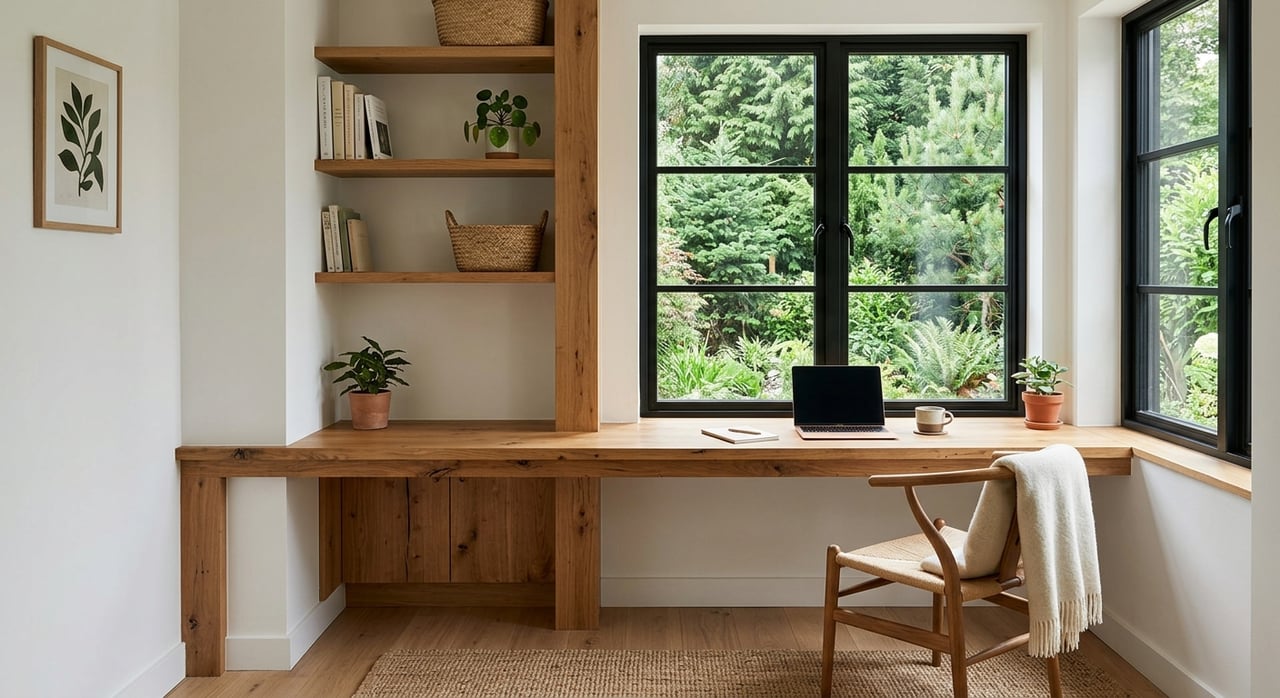
Buying A Rental Property In Sammamish: What To Evaluate
May 7, 2026
May 7, 2026
If you are thinking about buying a rental property in Sammamish, the numbers can surprise you fast. This is a market where high home values, strong neighborhood appeal, and premium rents do not always translate into easy monthly cash flow. The good news is that with the right evaluation process, you can spot where a property’s real potential lies and where hidden costs may change the deal. Let’s dive in.
Sammamish is an attractive Eastside market, but it is not a plug-and-play rental market for most investors. Census QuickFacts reports an 83.4% owner-occupied housing rate for Sammamish, which tells you a lot about the city’s character and housing mix.
That owner-heavy profile matters because rental inventory is more limited, and many buyers are competing for homes based on long-term lifestyle value rather than rental yield alone. In other words, you are often buying in a market where appreciation and location may matter more than immediate cash flow.
Rent levels also need context. Census data shows a median gross rent of $2,857, while Apartments.com reports much higher current averages, including $2,420 for apartments and $4,964 for houses as of May 2026.
Those numbers are not contradictory. They reflect different property types and different ways of measuring rent, so it is smarter to think in ranges rather than one exact figure.
Before you look at financing, taxes, or repairs, you need a realistic rent estimate for the exact type of property you want to buy. In Sammamish, detached homes and apartments can perform very differently.
Apartments.com reports average apartment rents around $2,420, with average one-, two-, and three-bedroom apartment rents at $2,420, $2,813, and $3,088. For houses, the average reported rent is much higher at $4,964, with sample listings ranging from $3,450 for a three-bedroom home to $7,499 for a six-bedroom home.
That spread tells you something important. A broad city average is not enough for underwriting in Sammamish. You need rent comps for homes that match the property’s size, condition, layout, and location.
One of the biggest mistakes you can make is treating Sammamish as one uniform rental market. It is better to evaluate demand at the address level.
The Census Housing Vacancy Survey does not publish a city-level rental vacancy rate for Sammamish. That means there is no official citywide vacancy number you can lean on for underwriting.
Instead, focus on practical signals like current competing listings, days on market, and recent rent comps for similar homes nearby. These local indicators will tell you more about demand than a citywide statistic that does not exist.
Sammamish is split across multiple school systems. Lake Washington School District states it serves about half of Sammamish, and Issaquah School District also serves part of the city.
That makes address-level school assignment an important evaluation point. Two homes with similar square footage and similar finishes may draw different renter interest based on the attendance area tied to the property address.
This is why your rental analysis should include confirmed school assignment by address, not just the city name on the listing. In Sammamish, that detail can shape demand, marketing time, and rent expectations.
Sammamish can look strong on paper if you only focus on gross rent. The real test is what happens when you stack up actual ownership costs.
King County’s 2026 Sammamish tax sheet reports a median assessed value of $1,779,000 and a total tax rate of 8.46913 per $1,000. That works out to $15,066.58 per year in property taxes, or about $1,256 per month.
Using Freddie Mac’s 30-year fixed average of 6.30% on April 30, 2026, a purchase at that median value with 25% down would create a loan amount of $1,334,250. The monthly principal and interest payment would be about $8,259.
If you also include a 1% annual maintenance reserve, that adds about $1,483 per month. Before insurance, vacancy, and HOA dues, your estimated monthly carrying cost is already around $10,997.
Against the reported average house rent of $4,964 per month, that sample creates an estimated shortfall of about $6,033 per month before insurance and HOA costs. That is a sharp reminder that Sammamish often behaves more like an appreciation-led market than a strong cash-flow market.
This does not mean a Sammamish rental can never work. It means you need a very disciplined approach to the purchase price, down payment, existing equity, and any legal ways to improve income.
A deal may look better if you buy below market, bring significantly more cash to closing, or purchase a property with legally rentable space already in place. But the baseline math deserves your full attention.
In Sammamish, HOA documents can change the economics of a rental property quickly. If a home is part of a homeowners association, review the CC&Rs before you get too far into the deal.
Washington ORIA explains that CC&Rs may include rules covering architectural standards, parking, pets, and rental or short-term rental limits. HOA assessments can range from about $20 per year to more than $2,000 per month.
That is a huge range, and it shows why HOA review is not a minor detail. Rental restrictions, extra dues, or use limitations can affect both your income plan and your exit strategy.
If a property’s appeal depends on adding rent through a finished basement, accessory dwelling unit, or other converted space, pause before you count that income. In Sammamish, permit status matters.
The city’s permit center handles development and building-permit services, and Sammamish code compliance specifically lists unpermitted ADUs and occupancy-limit issues among its enforcement categories. That should get your attention if the numbers depend on a second unit or expanded use.
A lower-level suite, extra bedroom count, or separate entrance may look promising in a showing. But if the space is not permitted for the intended use, your projected rent may not be realistic.
Your rent-growth assumptions should be conservative and grounded in Washington law. State rules can affect how quickly you can raise rent and how you plan for future income.
According to the Washington Attorney General, the maximum annual rent increase allowed between January 1, 2026, and December 31, 2026, is 9.683%. The same guidance also states that landlords may not raise rent during the first 12 months of a tenancy and must provide 90 days’ written notice before increasing rent.
That means you should avoid building an aggressive rent-growth story into your underwriting. If your numbers only work because you expect quick rent increases, the deal may be too thin.
When you evaluate a rental property in Sammamish, keep your checklist simple and disciplined.
Sammamish has many qualities that attract long-term buyers and renters alike. You are buying into a place known for its Eastside setting, established residential character, and strong lifestyle appeal.
But from an investor’s perspective, appeal alone is not enough. In this market, success usually comes from careful buying, tight underwriting, and a clear understanding of how local rules and property-level details shape the outcome.
If you approach Sammamish with open eyes, the right property can still fit your goals. The key is to evaluate the address, the documents, and the monthly math with equal care.
If you want help evaluating a Sammamish rental opportunity with a practical local lens, connect with Stacy Hecht for thoughtful guidance grounded in the realities of the Eastside market.
July 23, 2026
July 16, 2026
July 9, 2026
July 2, 2026
June 25, 2026
June 18, 2026
June 11, 2026
June 4, 2026
May 28, 2026
Stacy believes real estate is about people, not just properties. She’s attentive, dependable, and deeply committed to earning your trust. With her by your side, you’ll feel supported every step of the way.
5825 221ST PL SE STE 202 ISSAQUAH WA 98027