Confidently Sell Your Snoqualmie Home: Pricing & Prep
March 24, 2026
March 24, 2026
Thinking about selling your Snoqualmie home in the next year? In a market where buyers love trail access, Snoqualmie Falls, and easy Eastside commutes, pricing and presentation shape your outcome more than ever. This guide shows you how to set a confident list price, focus your prep budget for the best return, and time your launch for strong activity. You will leave with a simple timeline and a checklist you can start today. Let’s dive in.
Snoqualmie sits among the Eastside’s most sought-after communities, with price levels that track near or above suburban Seattle norms. Recent snapshots show a city median around roughly $1.0M as of February 2026, which reflects a moving target by month and micro-area. You will see differences across sources because city, zip, and district lines are not identical, so lean on a fresh CMA for the final range you should target. Current city-level pricing context can help frame expectations while you plan.
Inventory has climbed at times in early 2026 as prices moderated in some pockets. That shift means your pricing posture should match what is active and pending in your immediate neighborhood. Seasonality still matters in Washington, with spring typically drawing stronger buyer traffic across many markets. You can see those trend notes in recent NWMLS reporting.
One more signal about precision: NWMLS reported that single-family homes closed near list price in 2025, around 99.6 percent. When you list close to true market value, you protect your time and negotiating power. You can review the broader context in the NWMLS 2025 Annual Review.
A Comparative Market Analysis is your pricing foundation. Your agent will use recent solds, actives, and pendings, then adjust for size, age, condition, lot, view, and upgrades to place your home in a defensible range. A CMA is different from an appraisal, but it is the day-to-day tool for setting your list price. Learn how a CMA works from this plain-English overview.
With many Seattle-area single-family homes closing near list in 2025, your list price should be close to what buyers will actually pay. If your CMA indicates a tight band and nearby competition is similar, aim for accuracy rather than wishful thinking. It sets you up for better offers in the most active early days.
Before you think about big projects, knock out the universal movers:
These basics consistently deliver the highest impact for relatively low cost, especially in photo-driven searches.
Staging helps buyers visualize how rooms live and flow, which is critical online and in person. In national research, about 81 percent of buyer agents said staging improves buyer visualization. Focus your budget on the living room, primary bedroom, and kitchen, since these spaces carry the most weight in photos and first impressions. Review the findings in the NAR Profile of Home Staging.
If you plan light staging with decor and soft goods, expect a modest budget. Whole-home furniture staging for vacant houses costs more but can make a meaningful difference in time on market. Keep the look fresh, neutral, and Northwest warm.
In our region, buyers value homes that are move-in ready with clean finishes and reliable systems. If you plan to spend on improvements before listing, lean into projects that show well and are known to recoup more at resale:
You can explore expected recoup rates in the latest Cost vs. Value Report. Use your CMA to confirm what nearby buyers will actually pay for.
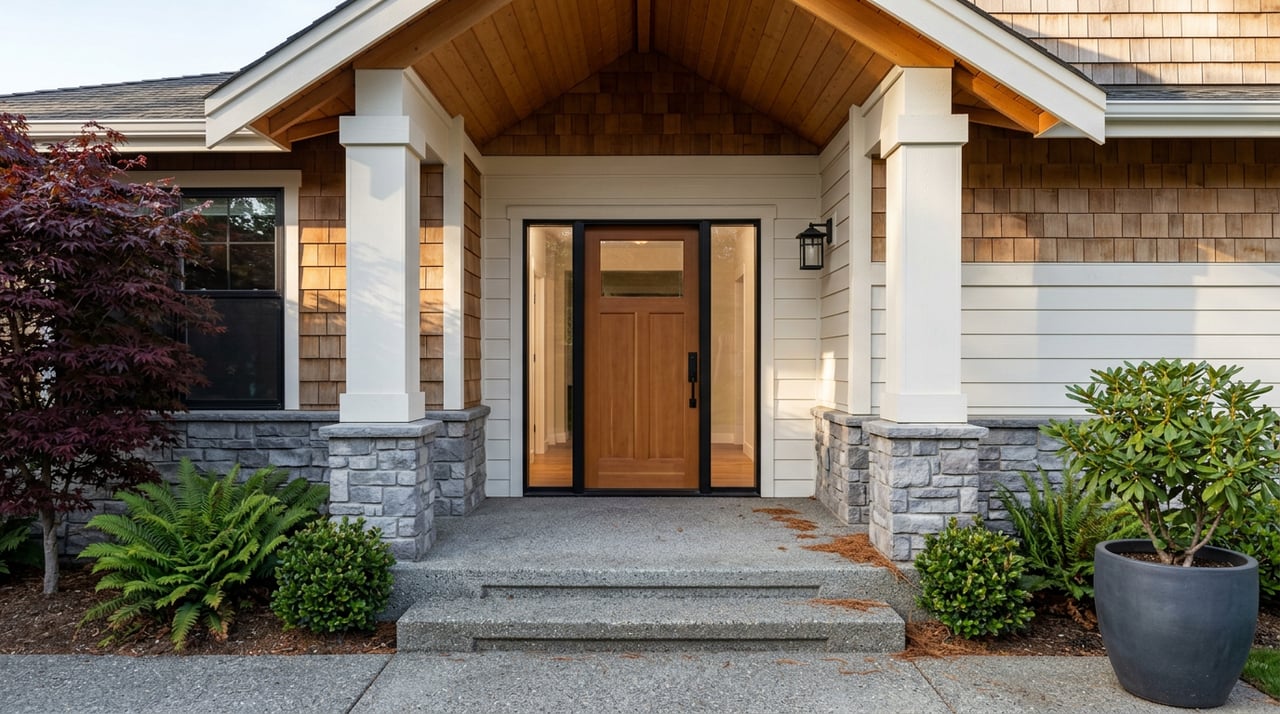
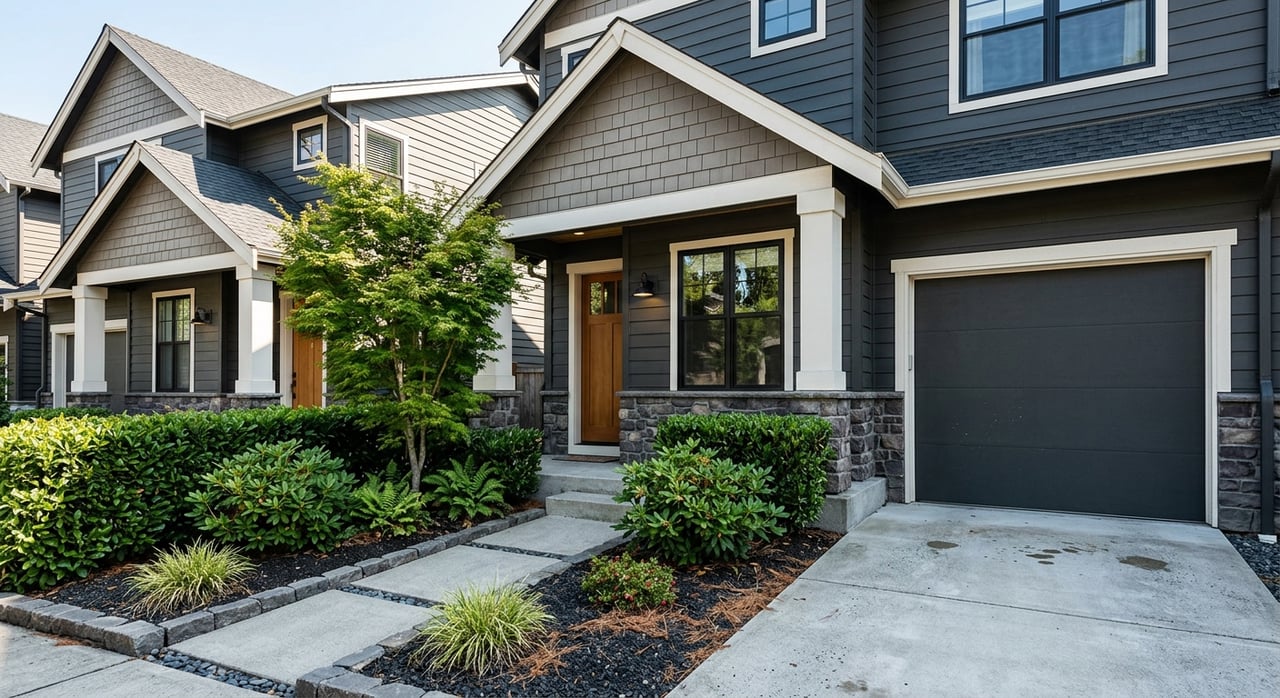
Online search is your first showing, and curb appeal sets the tone. In Snoqualmie, clean lines and natural textures photograph best. Prioritize the updates that make your front elevation feel crisp and welcoming:
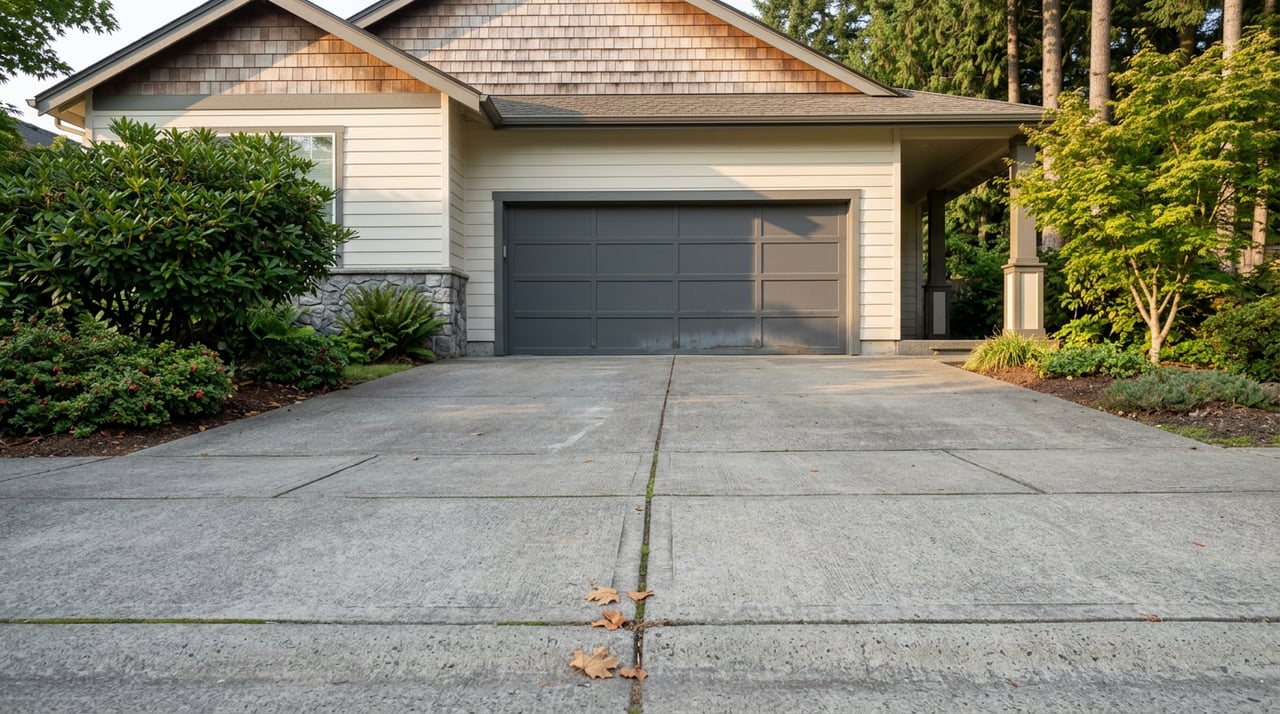
Exterior improvements like an attractive entry and new garage door are visible, practical, and often recoup a higher share of cost. That combination makes them smart bets if you have limited time and budget.
A seller-paid inspection can reveal issues on your schedule and help you price confidently. It is especially useful if your home is older or has deferred maintenance. You can decide what to fix, what to disclose, and whether to provide the report to buyers. Read more pros and cons in this pre-listing inspection guide.
Washington requires sellers to complete the Residential Seller Disclosure Statement, commonly called Form 17, unless an exemption applies. Fill it out carefully, because state law creates remedies for inaccurate or omitted disclosures. If you have questions, consult your agent or an attorney. Review the statute in RCW 64.06.
Snoqualmie sits along the Snoqualmie River system, so take time to check flood maps and local advisories. If your property has known flood or drainage history, disclose it and gather any related insurance or mitigation details. Your city resources are a good start for current guidance and links to county tools. See the City of Snoqualmie site for updates and resources.
Selling in Snoqualmie is about telling a clear story and backing it with data. Price within your CMA range, polish what buyers notice first, and launch at the right time with complete disclosures. You will invite stronger offers and a smoother path to closing.
If you want a tailored CMA and a room-by-room prep plan for your home, connect with Stacy Hecht to get started.
August 20, 2026
August 13, 2026
August 13, 2026
August 6, 2026
July 23, 2026
July 16, 2026
July 9, 2026
July 2, 2026
June 25, 2026
Stacy believes real estate is about people, not just properties. She’s attentive, dependable, and deeply committed to earning your trust. With her by your side, you’ll feel supported every step of the way.

5825 221ST PL SE STE 202 ISSAQUAH WA 98027