Snoqualmie Ridge vs Downtown: Find the Right Fit
May 28, 2026
May 28, 2026
If you are choosing between Snoqualmie Ridge and Historic Downtown Snoqualmie, you are really choosing between two very different ways of living in the same beautiful valley. One offers a newer, master-planned feel with connected trails, parks, and a more uniform streetscape. The other gives you older character, a railroad-town setting, and easy access to the historic heart of town. This guide will help you compare both areas so you can decide which neighborhood fits your daily life best. Let’s dive in.
Snoqualmie Ridge and Historic Downtown grew in very different eras, and that difference still shapes how each area feels today. Snoqualmie Ridge came from a 1990 annexation and a 1995 mixed-use final plan that added homes, retail, a business park, schools, parks, trails, and a golf course.
Historic Downtown Snoqualmie is the older core centered on Railroad Avenue. It includes a downtown historic district overlay and a Downtown Historic Commercial Landmark District, both of which require specific design review for affected buildings.
For buyers, that means the contrast is not just visual. It affects home styles, neighborhood rules, walkability, and even the kinds of due diligence you may need before making an offer.
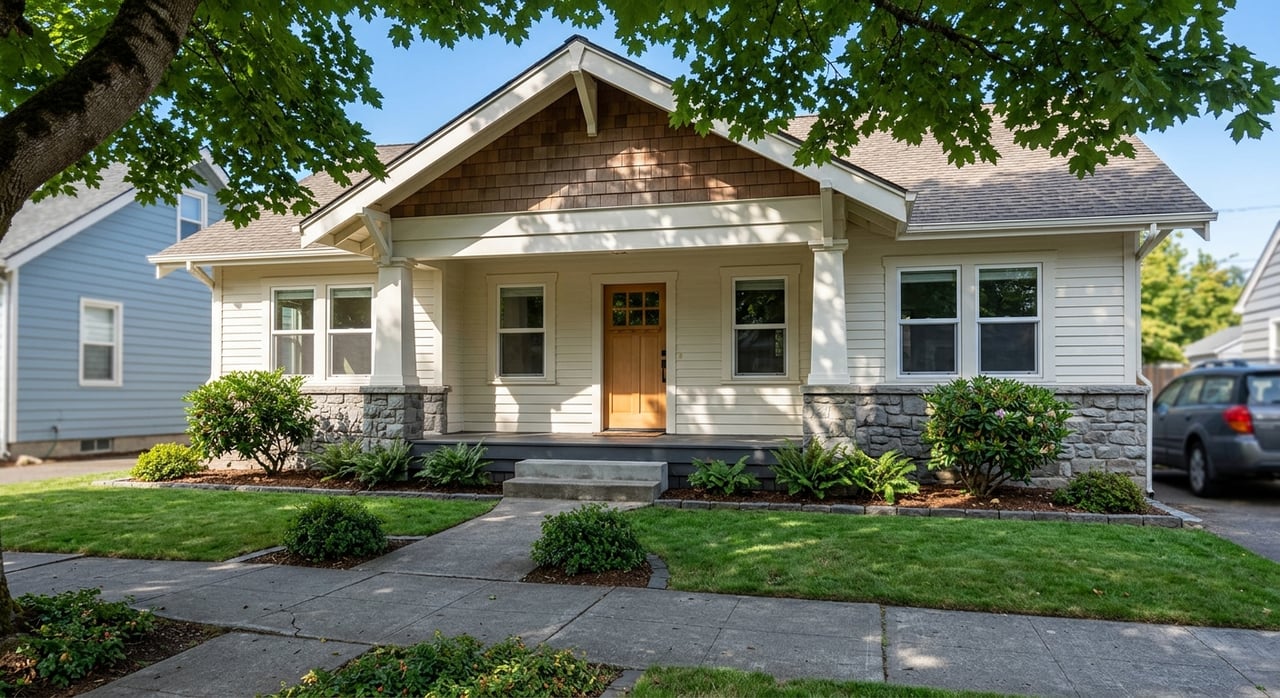
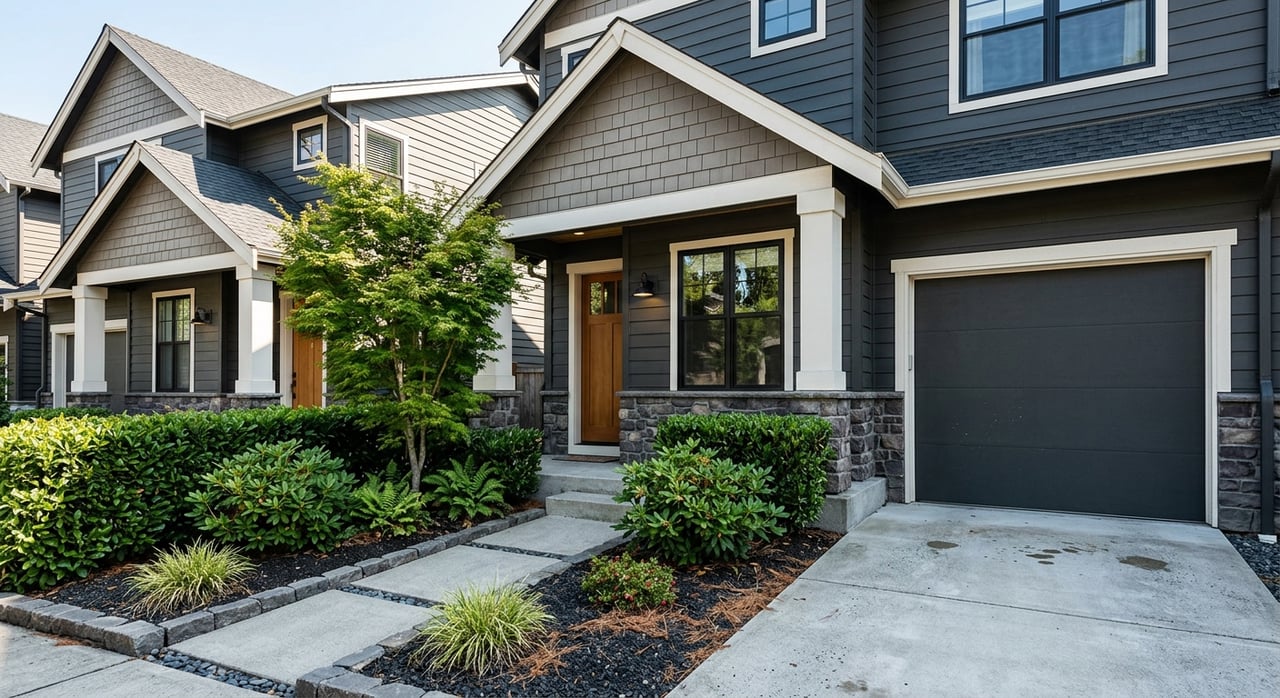
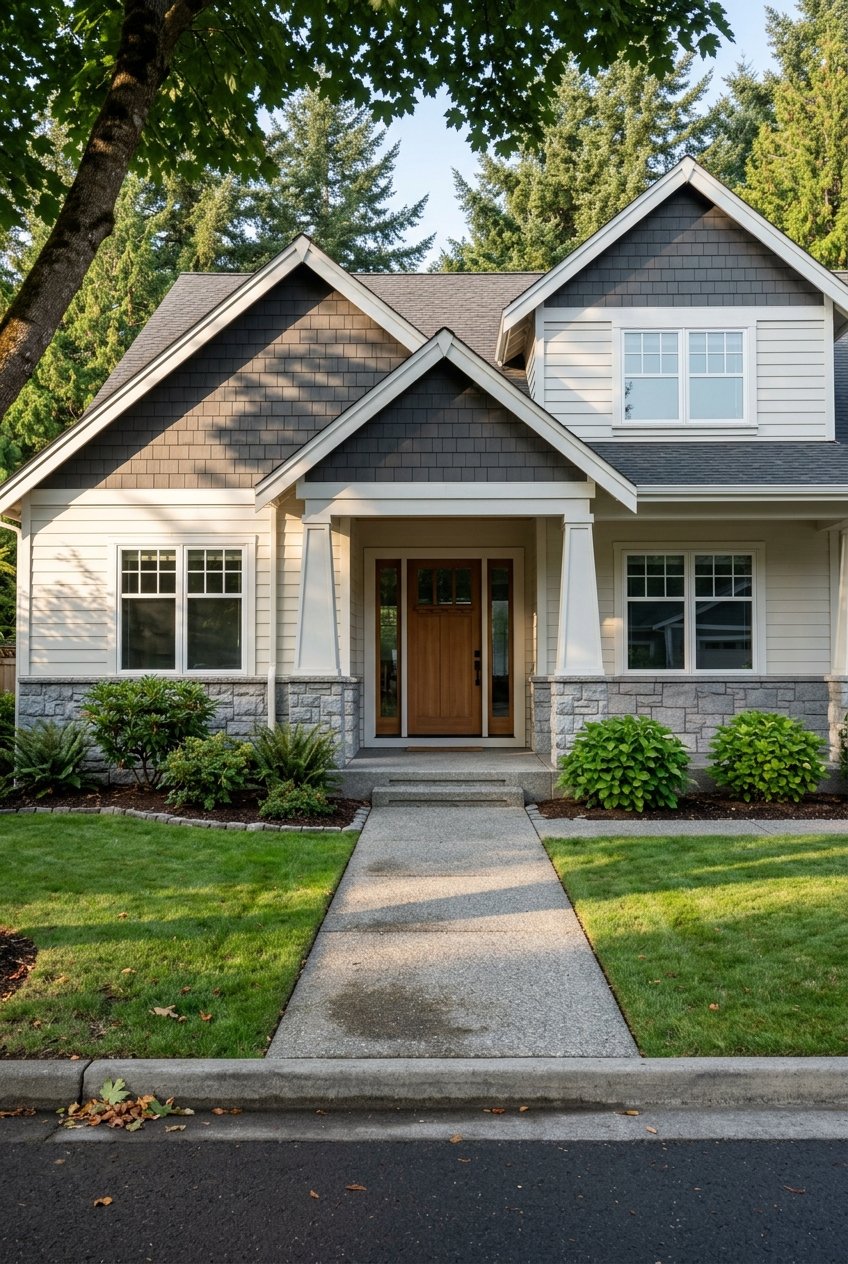
Snoqualmie Ridge was designed to feel coordinated and pedestrian-oriented. City design standards call for features like front porches, sidewalks, connected circulation, and reduced garage visibility from the street.
The area also reflects a deliberate mix of traditional home styles, including craftsman, cottage, bungalow, colonial, and farmhouse influences. If you like a neighborhood where the streetscape feels cohesive and intentional, the Ridge often delivers that experience.
Many homes in Snoqualmie Ridge II are also subject to CC&Rs and ROA governance. In practical terms, you should expect more oversight for exterior changes and landscaping than you might see in a typical non-master-planned neighborhood.
Historic Downtown Snoqualmie has a very different identity. It grew around the depot and the railroad right-of-way, and its historic significance includes architecture, commerce, and transportation from the rail era.
The district includes commercial vernacular buildings that reflect Snoqualmie’s earlier development pattern. For buyers, the appeal often comes from the sense of place: older character, established streets, and close access to the town’s historic storefront district.
The historic core is also more parcel-specific than the Ridge. According to the city’s current planning update, most platted lots in Historic Snoqualmie are small, around 3,600 square feet, and many are legacy legal lots created before 1937 subdivision laws.
One of the biggest differences between these neighborhoods comes down to how much structure you want around the look and use of the property. Snoqualmie Ridge was designed with clear standards for how homes address the street, how garages are placed, and how the overall neighborhood fits together.
That can be a plus if you value consistency and a polished streetscape. It can also mean less room for ad hoc exterior updates, especially where CC&Rs or ROA governance apply.
Historic Downtown works differently. Conditions can vary a lot from one property to the next, and historic design review may come into play depending on the location and scope of changes.
If you are deciding between the two, ask yourself a simple question: do you want a neighborhood that feels planned and coordinated, or one that feels older, more varied, and closely tied to Snoqualmie’s historic fabric?
Both areas offer walkable elements, but they do so in different ways. Snoqualmie Ridge leans into planned outdoor connectivity, while Historic Downtown offers a classic main-street experience.
On the Ridge, the city highlights more than 35 miles of public trails across Snoqualmie, including the Snoqualmie Parkway/Ridge Trail that runs about 4 miles between the Ridge and historic downtown. Snoqualmie Community Park on Ridge Street adds a major recreation hub with sports fields, a playground, a skatepark, trail access, and the community center/YMCA.
The Ridge also has its own cluster of everyday amenities. City venue information notes walkable access to restaurants, a winery, and a brewery in the area, with No Boat Brewery located next to Snoqualmie Inn.
Historic Downtown offers a different kind of walkability. The city describes free parking, flat and accessible sidewalks, the boardwalk, the Historic Snoqualmie Depot, Centennial Trail, and a collection of local shops and dining options that include books, artisan goods, baked goods, wine, beer, and ice cream.
If your ideal weekend includes strolling past storefronts and spending time in the historic core, Downtown may feel more natural. If you picture trail access, larger planned recreation spaces, and a neighborhood built around outdoor circulation, the Ridge may be the better fit.
For many buyers in Snoqualmie, outdoor access is not a bonus. It is part of the reason to live here in the first place. That is why this comparison matters so much.
Snoqualmie Ridge stands out for its planned trail network and park access. The city notes that horses are allowed on the Ridge’s multi-purpose trails, which adds another layer of utility for buyers who value outdoor movement and a more landscape-connected lifestyle.
Historic Downtown still offers access to trails and public spaces, especially around the depot area and Centennial Trail. But the experience is more rooted in the historic town center than in a master-planned recreational network.
Neither choice is wrong. It depends on whether you want your outdoor life to begin with a trail system and community park, or with a walk through the heart of a historic downtown.
If you commute toward the Eastside or broader Seattle area, access patterns may influence your choice. Snoqualmie Ridge is more directly tied to the interstate system through Snoqualmie Parkway, a 3.5-mile connector between SR 202 in downtown Snoqualmie and the I-90 interchange.
The city’s transportation analysis says traffic near the I-90 end is about double the volume near SR 202, reflecting Ridge growth and daily commuting dependence. That does not make the Ridge better for every buyer, but it does highlight its stronger relationship to regional commute routes.
Historic Downtown is still connected, of course, but its feel is more centered on local main-street access and the older fabric of town. If your daily routine prioritizes quick movement toward I-90, the Ridge may feel more convenient.
School planning in Snoqualmie is important, but it is also very specific to the property address. You should not assume a home’s school assignment based only on whether it is on the Ridge or in Downtown.
According to the district boundary map, students in the Cascade View Elementary and Snoqualmie Elementary attendance areas attend Snoqualmie Middle School, while students in the Timber Ridge Elementary attendance area attend Chief Kanim Middle School. The district also notes that newer streets or developments may require confirmation with the school office.
Cascade View Elementary is described by the district as being at the heart of Snoqualmie Ridge. Timber Ridge Elementary is located on Swenson Drive in Snoqualmie, and Snoqualmie Elementary sits on Park Street in town and serves kindergarten through fifth grade.
Snoqualmie Elementary also hosts the district’s STREAM magnet for qualifying students in grades 2 through 5. Even so, the safest move is always to verify school assignment directly for the specific home you are considering.
This is one of the most important practical differences between the two areas. Much of the Historic Snoqualmie planning area lies in the 100-year floodplain, and much vacant land is in the FEMA 100-year floodway.
The city’s planning update states that new residential construction in the floodway is prohibited by state law. Where new homes are built in the floodplain, first floors must be elevated above base flood elevation.
The city also notes that it participates in the National Flood Insurance Program and provides downtown floodplain and floodway mapping resources. If you are buying in or near Historic Downtown, floodplain review should be part of your early due diligence, not an afterthought.
This does not mean Downtown is off the table. It means you should evaluate each parcel carefully, especially if you are thinking about renovation, rebuilding, or future additions.
If you want newer construction patterns, coordinated design, stronger neighborhood oversight, and easy access to trails and large planned amenities, Snoqualmie Ridge will often feel like the better match. It suits buyers who want a polished, connected setting with a strong outdoor framework and convenient access toward I-90.
If you are drawn to older character, smaller legacy lots, and the experience of living near a historic storefront district, Historic Downtown may feel more compelling. It often appeals to buyers who value a sense of heritage, walkable local businesses, and the texture of an older town center.
In a place like Snoqualmie, the right choice is rarely just about square footage. It is about how you want your mornings, evenings, and weekends to feel.
Whether you are looking for a more structured neighborhood on the Ridge or the railroad-town charm of Historic Downtown, working with a local guide can help you weigh the details that matter most. If you want help comparing homes, reviewing neighborhood tradeoffs, and finding the right fit in Snoqualmie, connect with Stacy Hecht.
July 23, 2026
July 16, 2026
July 9, 2026
July 2, 2026
June 25, 2026
June 18, 2026
June 11, 2026
June 4, 2026
May 28, 2026
Stacy believes real estate is about people, not just properties. She’s attentive, dependable, and deeply committed to earning your trust. With her by your side, you’ll feel supported every step of the way.
5825 221ST PL SE STE 202 ISSAQUAH WA 98027