Sammamish HOA Communities Guide for Smart Homebuyers
July 2, 2026
July 2, 2026
If you are home shopping in Sammamish, an HOA can shape your day-to-day life just as much as the floor plan or the view. That matters even more as Sammamish continues to grow, especially in and around Town Center, where newer townhomes, apartments, and planned communities are part of the city’s development path. If you want to know how HOA dues, rules, disclosures, and approvals may affect your purchase, this guide will help you sort through the details with more confidence. Let’s dive in.
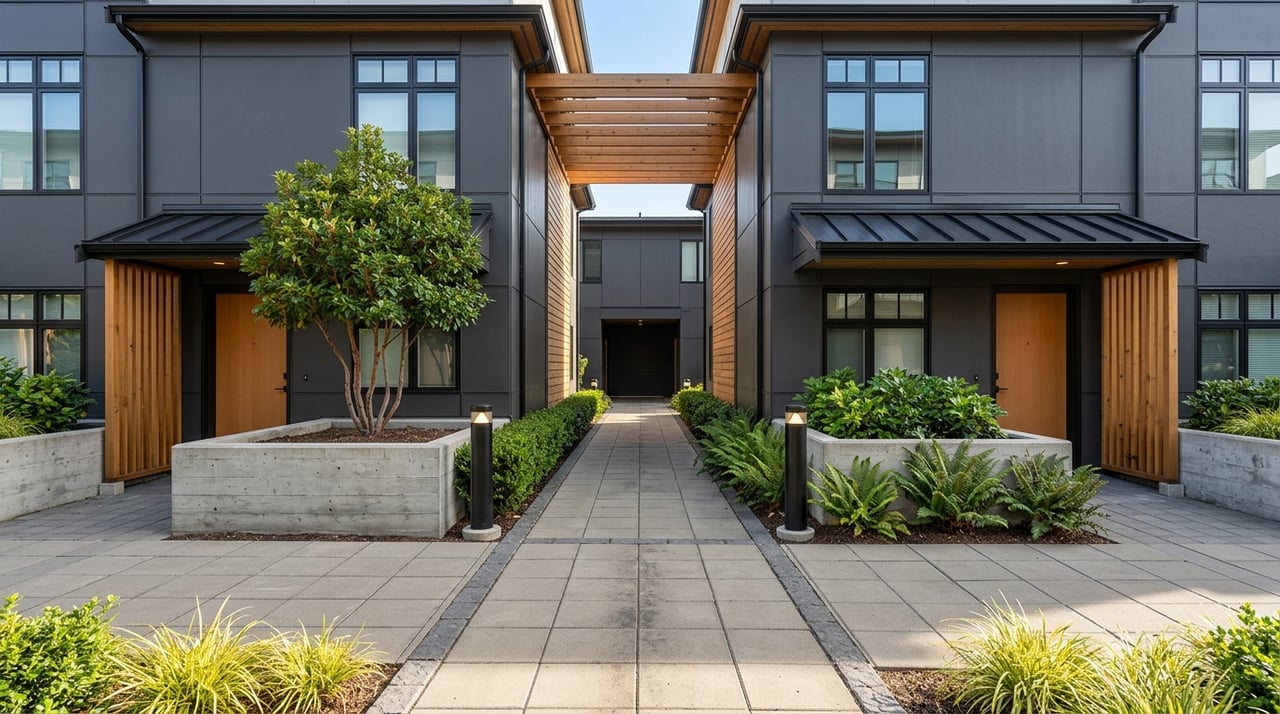
Sammamish offers a mix of established single-family neighborhoods and newer planned developments. As the city continues to guide growth through its Town Center plan, more buyers are looking at homes with shared spaces, attached housing, and common amenities.
In practical terms, that means HOA review is especially important when you are considering a townhome, a newer subdivision, or a mixed-use community. In these settings, the association often plays a bigger role in upkeep, budgeting, and exterior standards than it would in a non-HOA property.
For many buyers, that structure can be a plus. You may appreciate coordinated maintenance, shared amenities, and a more predictable approach to common-area care. Others may prefer more flexibility, especially if you want fewer recurring fees or more freedom to make exterior changes.
Not every HOA in Sammamish works the same way. Washington has different legal frameworks for common-interest communities, and that can affect the documents, rules, and disclosures tied to a property.
The Washington Uniform Common Interest Ownership Act, found in chapter 64.90 RCW, applies to most common-interest communities created on or after July 1, 2018. Many older homeowners’ associations are still governed by chapter 64.38 RCW unless they have opted into the newer law.
Washington also separates these communities into different categories, including condominiums, cooperatives, plat communities, and other miscellaneous common-interest communities. So even if two homes in Sammamish both have HOAs, the way the association operates can still look very different.
HOA dues are tied to the community’s shared expenses. In many cases, those funds help cover maintenance and replacement of common areas, landscaping, insurance, management, amenities, and reserve contributions.
That is why the monthly dues number alone does not tell the whole story. You will want to understand what the fee covers, what it does not cover, and whether the community is saving enough for future repairs.
A well-run association should also be keeping records and following meeting and budget requirements. Under Washington law, associations must hold annual meetings, keep minutes, and retain key records such as budgets, receipts, expenditures, and meeting minutes.
One of the biggest financial questions in any HOA community is whether the reserve fund is strong enough. Reserves are the savings set aside for major repairs and replacements over time.
Under current Washington law, budget notices must show the reserve contribution amount, any scheduled special assessments, and whether the reserve fund is projected to cover major repairs and replacements. That gives you a better view of the community’s long-term financial planning.
If reserves are weak, a future special assessment may become more likely. That can mean an added cost beyond your monthly dues, so it is worth reviewing the budget summary and reserve study early in the process.
For most sales in Washington, the buyer should receive an HOA disclosure or resale certificate before closing. This document is important because it can reveal unpaid assessments, special assessments, reserve information, and limits on changes to the property or its use.
In communities governed by chapter 64.90 RCW, the association generally has 10 days to provide the resale certificate after it is requested. The association may charge up to $275 to prepare it, and up to $100 for a short-term update.
Timing matters here. If the resale certificate arrives very close to contract signing, Washington law gives the buyer a short cancellation window. That is one reason it helps to review HOA materials as early as possible.
For many buyers, architectural control is where HOA living becomes most real. Washington law allows associations to adopt reasonable rules, and if the declaration permits, they may set design criteria, aesthetic standards, and approval procedures for exterior work.
That can affect projects like fencing, paint colors, exterior remodels, additions, and other visible changes. If you are buying a home because you already picture a new patio, a garden structure, or a refreshed exterior, it is smart to ask about the approval process before you commit.
State law also protects certain exterior uses and displays, including flags, signs, solar energy panels, and electric vehicle charging stations. Even so, associations may still apply reasonable placement, manner, or architectural restrictions, and local permit and building code requirements still apply.
This is a key point for Sammamish buyers. HOA approval does not replace city approval.
Washington law makes clear that local building, fire, health, zoning, subdivision, and other land-use rules still apply. Sammamish’s planning and development resources also direct residents and applicants to city permit and development review processes.
If you plan to add a fence, install an EV charger, build an addition, or make another exterior change, you may need both HOA approval and city permits. In many Sammamish communities, both layers matter.
Even if you plan to live in the home now, it is wise to think ahead. If there is any chance you may want to rent the property later, HOA leasing rules deserve a close look.
Washington law allows some associations to require tenant screening before a unit is leased. Disclosure materials can also identify restrictions on use, occupancy, or rental of the property.
That means a home that feels like a great long-term option today may come with limits tomorrow if your plans change. If future rental flexibility matters to you, ask for those rules before making an offer.
When you are comparing HOA communities in Sammamish, a short checklist can help you stay focused.
The seller disclosure statement for improved residential property in Washington asks whether there is an HOA, what the regular assessments are, whether special assessments are pending, what common areas exist, and whether recorded covenants or restrictions apply. That makes it a useful companion to the association’s own documents.
These questions can help you see beyond the listing photos and monthly fee. They also make it easier to compare one community with another on practical terms.
The right HOA is usually the one that matches how you actually live. If you value predictable upkeep, shared amenities, and a coordinated appearance, HOA living may feel like a good fit.
If you want more freedom over exterior changes, fewer recurring obligations, or more rental flexibility, a non-HOA property may fit better. Neither choice is automatically better. It depends on your goals, your budget, and how you want to use the home.
In Sammamish, this tradeoff stands out in newer planned areas and Town Center-adjacent projects, where shared infrastructure and association governance are more common. As the city grows, understanding that balance can help you buy with fewer surprises.
Buying into an HOA community is not just about reading the dues amount. It is about understanding the rules, the finances, the approval process, and how the community supports the kind of ownership experience you want. If you are weighing HOA and non-HOA options in Sammamish, working with a local guide can make the details much easier to sort through.
If you want help comparing neighborhoods, reviewing property fit, and finding the right Sammamish home for your lifestyle, connect with Stacy Hecht.
August 27, 2026
August 20, 2026
August 13, 2026
August 13, 2026
August 6, 2026
July 23, 2026
July 16, 2026
July 9, 2026
July 2, 2026
Stacy believes real estate is about people, not just properties. She’s attentive, dependable, and deeply committed to earning your trust. With her by your side, you’ll feel supported every step of the way.
5825 221ST PL SE STE 202 ISSAQUAH WA 98027