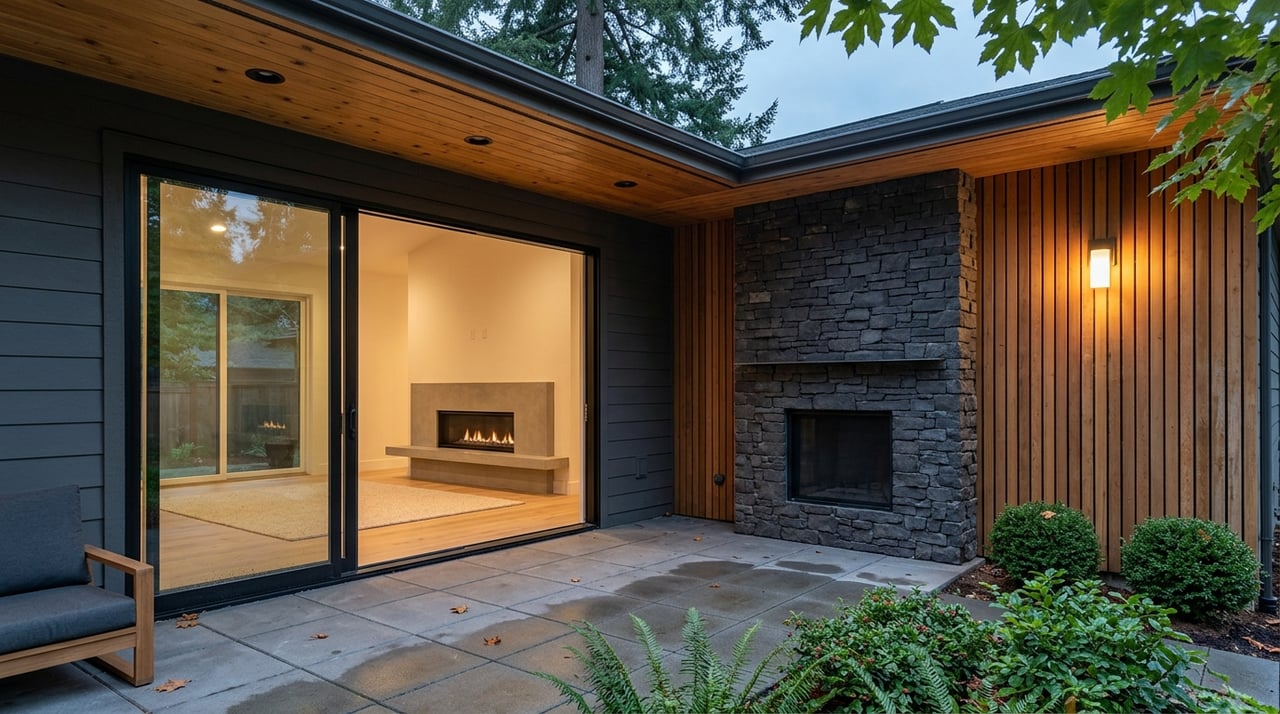
What Living in Snoqualmie Feels Like Through the Seasons
June 11, 2026
June 11, 2026
If you are thinking about living in Snoqualmie, the seasons are not just background scenery. They shape how you spend your weekends, how you plan your commute, and even what you look for in a home. From rainy winter mornings in town to bright summer park days and colorful fall strolls downtown, life here feels tied to the landscape in a very real way. Let’s dive in.
Snoqualmie offers a different rhythm than many communities closer to the urban core. City climate information describes the area as maritime temperate, with dry summers and mild, wet winters. Most annual precipitation falls between mid-October and late February, which gives the year a clear seasonal pattern.
That pattern matters because Snoqualmie is not simply a suburb with pretty views. It is a valley community where weather, open space, and outdoor access all play a role in daily life. With more than 40 parks and more than 25 miles of trails, the setting becomes part of how you live, not just what you see from the window.
The city also identifies climate-related risks that are important for homeowners and residents to understand. These include extreme heat, flooding, wildfire smoke, and landslides. If you are considering a move here, year-round living means enjoying the setting while also planning for the practical side of it.
In town, winter is usually not about constant snow on the ground. At Snoqualmie’s city elevation, the season is more often defined by rain, gray skies, and short-lived snow events. That creates a winter mood that feels more damp and green than frozen and buried.
This is especially important if you are moving from a colder inland climate and expect long stretches of snow cover. In Snoqualmie itself, the day-to-day winter experience is often practical rather than dramatic. You may spend more time thinking about waterproof shoes and umbrellas than snow shovels.
Winter also brings a real need to pay attention to river conditions. The city says flooding is a natural and recurring part of life in Snoqualmie, and storms, early Cascade snowmelt, and quickly rising river levels can create flooding with little warning. That matters most near the river corridor and floodplain.
Downtown Snoqualmie lies in the river floodplain, so location matters when you are evaluating a home. If you are buying near the river or in lower-lying areas, it is wise to look closely at flood zone information, drainage, and insurance needs. The city notes that standard homeowners insurance does not cover flood damage.
There is also a financial detail worth knowing. Snoqualmie participates in the National Flood Insurance Program and has a Community Rating System class 5, which the city says can translate into a 25 percent flood insurance discount. For some buyers, that may be an important part of the total cost picture.
One of the unique things about Snoqualmie is how quickly winter conditions change when you head east. While town may be rainy, I-90 over Snoqualmie Pass sits at 3,022 feet, and WSDOT says the primary travel corridors there average more than 450 inches of snowfall each winter. In other words, your local winter can shift from wet sidewalks to mountain snow very fast.
If skiing, snowboarding, or winter mountain trips are part of your lifestyle, that access is a major draw. But it also comes with planning. WSDOT says avalanche control is a winter-long operation, and closures can last from about 30 minutes to several hours, so drivers should carry chains and expect changing conditions.
Even with the practical side of winter, Snoqualmie keeps a cozy seasonal identity. The city’s Winter Lights route runs nightly from Thanksgiving to New Year’s and is designed as a pedestrian- and stroller-friendly walk into historic downtown. That gives the season a welcoming, small-town feel.
The Northwest Railway Museum also adds to the atmosphere with Santa Trains between Thanksgiving and Christmas. With seasonal decorations, cookies, cocoa, and visits with Santa, winter in Snoqualmie often feels less like hibernation and more like a quieter, festive chapter of the year.
Spring in Snoqualmie feels like a reset. As the wetter stretch begins to ease, the trail network becomes a bigger part of daily life again. That shift is one reason many people are drawn to the area in the first place.
King County describes the Snoqualmie Valley Trail as a 31.7-mile route through one of the region’s agricultural valleys, with views of family farmsteads, the North Fork Snoqualmie River, wildlife, and a connection to the Palouse to Cascades Trail. Within town, local routes like Centennial Trail, Meadowbrook Trail, and the Snoqualmie Parkway trail help connect neighborhoods and downtown.
For residents, that means spring is not just about nicer weather. It is about stepping back into a lifestyle that includes walks, bike rides, and easier access to open space. In Snoqualmie, the outdoors starts to feel close again very quickly.
Spring also highlights one of Snoqualmie’s biggest lifestyle advantages, which is easy access to riverfront and natural areas. Three Forks Natural Area includes more than 200 acres at the confluence of the south, north, and middle forks of the Snoqualmie River. The site offers river access, trail access, and a walking path.
That kind of setting gives spring a very specific feel. Instead of waiting for summer to enjoy the outdoors, you can start getting back outside as soon as the season turns. The valley greens up, trails become more inviting, and the town feels active again.
Summer is when Snoqualmie’s recreational side is most visible. The city says it has more than 40 parks, and those spaces support everything from casual picnics to playground visits and athletic fields. In a town like this, summer often feels less scheduled and more naturally outdoors.
The splash pad at Snoqualmie Community Park is open daily from Memorial Day through Labor Day, which adds a simple, easy summer option for many households. Other city park destinations include Centennial Fields, Snoqualmie Point Park, and Meadowbrook Farm. Together, these spaces create a summer routine built around fresh air, movement, and time outside.
Snoqualmie’s identity does not stop being mountain-connected once the snow melts. The Summit at Snoqualmie promotes summer lift rides, disc golf, and a bike park, which means the pass remains part of the warm-weather lifestyle too. That is a big part of what makes living here feel distinct.
Instead of separating winter and summer into completely different places, Snoqualmie gives you access to both valley life and mountain recreation across the year. If you are drawn to a place where outdoor activity shifts with the season, this is a strong part of the appeal.
The Northwest Railway Museum adds another layer to summer with train excursions and seasonal events. Day Out With Thomas takes place in July, and Snoqualmie Days in August brings a downtown festival atmosphere with shopping, food, live music, and a parade. Those events help summer feel social as well as scenic.
For many residents, that mix is the point. Summer in Snoqualmie is not just about warm weather. It is about parks, trails, community events, and the feeling that there is always something happening close to home.
If you love a place with a strong sense of season, fall may be Snoqualmie at its most memorable. Historic downtown adds a lot to that feeling, with flat sidewalks, free parking, antiques, art, curated shops, the historic depot, the boardwalk, and Centennial Trail all contributing to an easygoing, walkable outing.
The setting near Snoqualmie Falls adds to the sense of place, but downtown itself has its own character. In fall, that character leans warm, scenic, and quietly busy. It is the kind of season that makes even ordinary errands feel a little more enjoyable.
Fall is not a dead period between summer and the holidays. The Northwest Railway Museum’s Halloween Train runs on the last three full weekends in October and includes cider making, themed games, live music, and hands-on apple coring. It is one more example of how seasonal programming stays woven into local life.
The city events calendar also lists recurring annual activities such as Halloween events, Egg Hunts, Movies and Music in the Park, and Winter Lights. That consistency matters because it shows that Snoqualmie’s community rhythm continues through the shoulder seasons, not just during peak summer.
Snoqualmie’s appeal is deeply tied to its natural setting. That is part of the draw, especially if you want a home base that feels closer to trails, rivers, parks, and mountain access. But it also means your housing decisions should match the realities of the location.
If you are looking at homes near downtown or close to the river, flood zone, elevation, drainage, and flood insurance should be part of your review. These are not small details in Snoqualmie. They are part of understanding how a property lives across the full calendar year.
If your ideal lifestyle includes skiing, mountain day trips, or regular winter travel over the pass, planning is part of the package. WSDOT expects drivers to be prepared for closures, chains, and changing conditions on I-90 over Snoqualmie Pass. That does not make the area hard to live in, but it does reward people who prepare.
For the right buyer, this is part of the appeal rather than a drawback. You are trading a more nature-forward daily routine for a little more weather awareness and trip planning. Many people find that trade well worth it.
A big advantage of Snoqualmie is that it offers a strong sense of place without feeling cut off. The city describes it as an easy, accessible drive from Seattle, Bellevue, and Issaquah via I-90, or from Redmond via SR 202. That gives you a balance many buyers are looking for.
You can have a home in a setting shaped by trails, rivers, and mountain weather while still staying connected to the larger Eastside and Seattle region. For many people, that is exactly what makes year-round living in Snoqualmie feel special.
If you are weighing a move to Snoqualmie or thinking about how to position a home here for sale, place matters as much as property details. Stacy Hecht can help you understand how Snoqualmie’s seasons, setting, and lifestyle shape real estate decisions across the year.
August 20, 2026
August 13, 2026
August 13, 2026
August 6, 2026
July 23, 2026
July 16, 2026
July 9, 2026
July 2, 2026
June 25, 2026
Stacy believes real estate is about people, not just properties. She’s attentive, dependable, and deeply committed to earning your trust. With her by your side, you’ll feel supported every step of the way.
5825 221ST PL SE STE 202 ISSAQUAH WA 98027