Townhome And Condo Living In Snoqualmie Ridge
June 25, 2026
June 25, 2026
If you love the idea of lower-maintenance living but do not want to give up trails, open space, and a strong sense of place, Snoqualmie Ridge deserves a closer look. Buying a townhome or condo here can feel very different from buying multifamily housing in other Eastside markets, especially when outdoor access, parking, and HOA structure all vary from one community to the next. This guide will help you understand what townhome and condo living in Snoqualmie Ridge really looks like, what to compare before you buy, and how to find the right fit for your lifestyle. Let’s dive in.
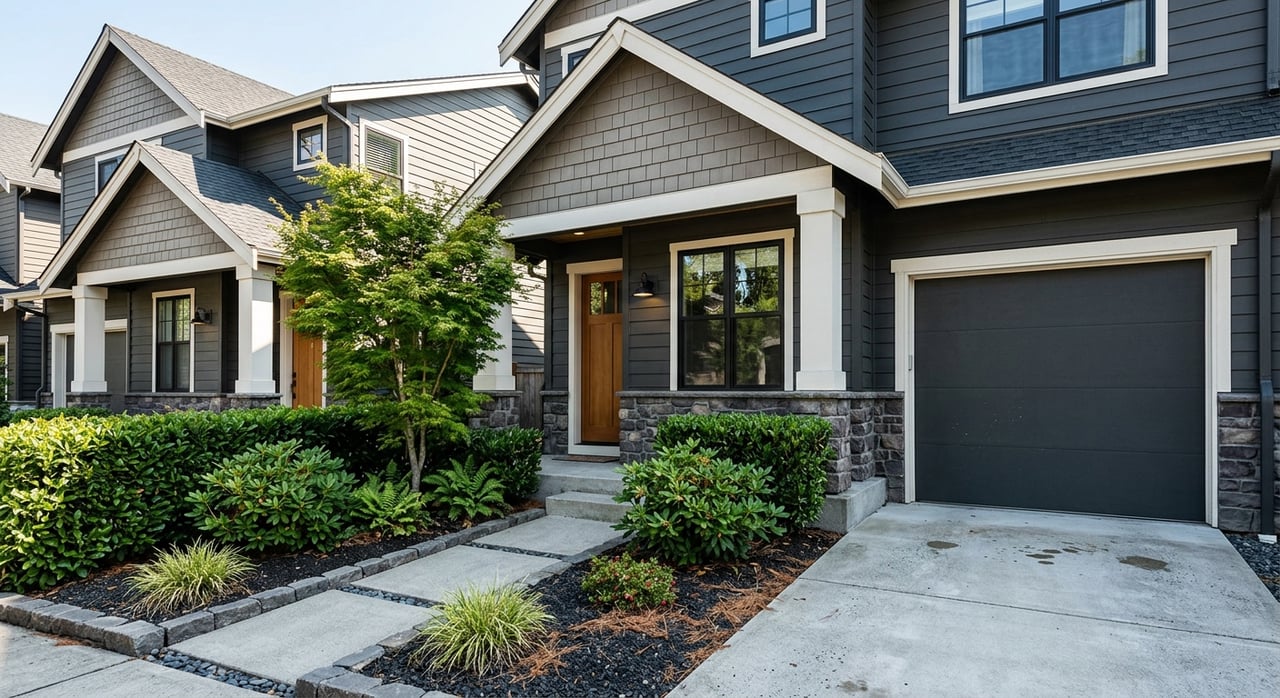
Snoqualmie Ridge was planned as a mixed, integrated community rather than a typical subdivision. City design standards describe a pedestrian-friendly environment where housing, services, recreation, and employment are meant to work together, with features like porches, stoops, walkways, balconies, and decks helping homes connect to the street and surrounding landscape.
That planning shows up in daily life. The Snoqualmie Ridge ROA describes the community as home to close to 4,000 homes, with more than 20 miles of trails, numerous parks, green space, and wetlands. If you want a home base that feels connected to the outdoors, that is a major part of the appeal.
The open feel is not accidental. City conservation material says the development preserved four acres of land for every one acre developed, which helps explain why many buyers experience the Ridge as more spacious and trail-oriented than other condo or townhome areas across the Eastside.
One of the biggest misconceptions about Snoqualmie Ridge is that all condos look alike or that all townhomes follow the same formula. In reality, the local housing mix is much broader than many buyers expect.
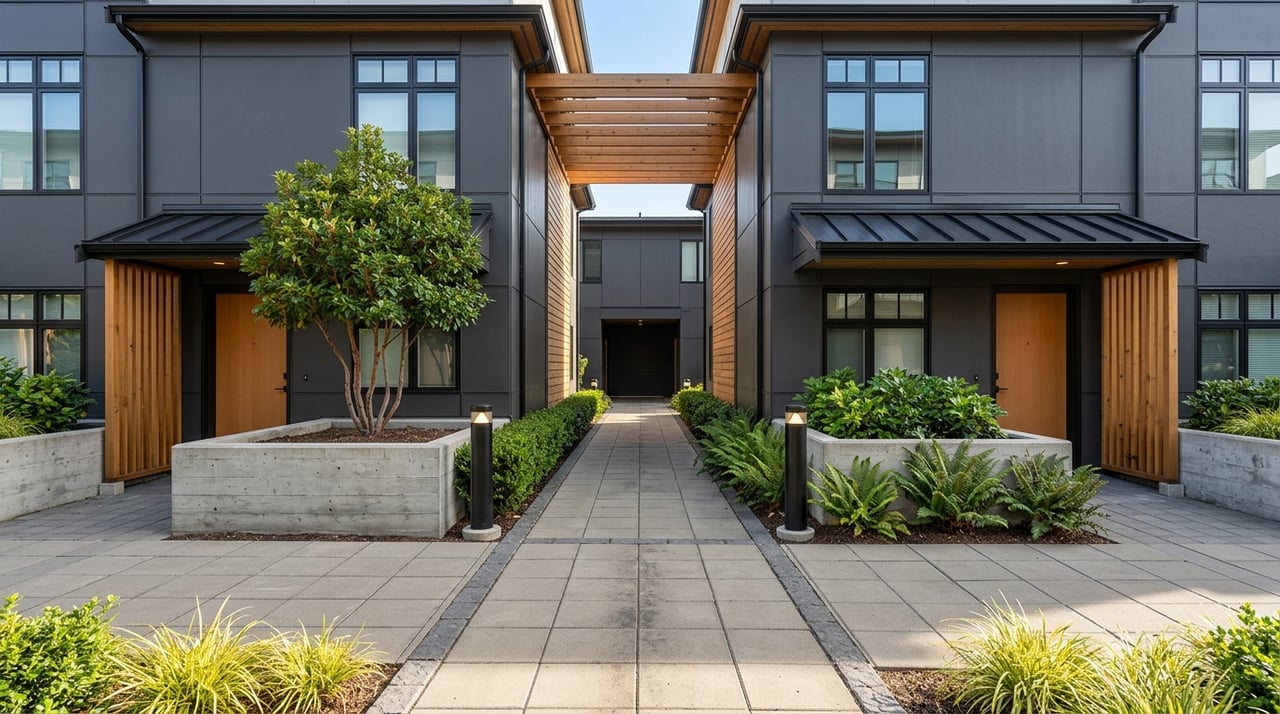
Recent listings show a wide range of layouts and sizes. You can find larger townhomes around 1,940 to 2,035 square feet with 3 bedrooms, multiple baths, attached 2-car garages, loft or bonus space, and covered patios or balconies.
You can also find single-level condo living. One recent example featured 1,344 square feet with 3 bedrooms, 2 baths, 9-foot ceilings, an individual garage, and a balcony or patio, which gives you a different feel than a more compact apartment-style unit.
Some options blur the line between condo and detached living. A recent stand-alone condo was listed at 1,102 square feet with 2 bedrooms, 2.5 baths, a dedicated parking spot, and a fenced, landscaped backyard maintained by the HOA.
That variety matters because the label alone does not tell you enough. In Snoqualmie Ridge, two homes both described as condos may offer very different privacy, outdoor space, maintenance responsibilities, and parking arrangements.
For many buyers, the biggest draw is the connection to outdoor space. Snoqualmie has more than 40 parks, more than 540 acres of open space, and about 35 miles of public trails, giving you plenty of options if you like to walk, run, or simply spend time outside.
Snoqualmie Community Park is a standout amenity in the city. At 33 acres, it includes soccer fields, tennis courts, a skatepark, a playground, and the Snoqualmie Community Center next door, which is city-owned and YMCA-operated.
The trail network also adds everyday convenience. The Snoqualmie Parkway Trail runs about 4 miles along Snoqualmie Parkway to downtown Snoqualmie, creating a practical link for walking, biking, and enjoying the Ridge’s broader setting.
If you want a home that supports an active Pacific Northwest lifestyle, this is where Snoqualmie Ridge stands out. You may be choosing a smaller or more manageable footprint, but you are often gaining direct access to parks, trails, and open views that make the area feel bigger than your square footage.
This is where buyers need to slow down and look closely. HOA dues and maintenance responsibilities can vary sharply from one Snoqualmie Ridge property to another, even when two homes appear similar online.
Recent listings show monthly HOA dues ranging from about $458 to $685. What those dues cover can differ in a big way, so it is important not to assume that every Ridge condo or townhome offers the same level of exterior maintenance or turnkey convenience.
In some communities, HOA coverage may include common area maintenance, grounds care, road maintenance, sewer, snow removal, water, lawn service, and even earthquake insurance. Some listings also note coverage for major exterior items such as roof, windows, siding, paint, front porch, back patio, and lawn care.
In other communities, owners may still be responsible for more exterior upkeep. Ridgestone rules, for example, say owners remain responsible for exterior appearance items such as paint, roofs, gutters, decks, patios, and walkways, with some repairs handled cooperatively across attached units.
If you are comparing homes, HOA structure should be part of your decision right away, not just a final checkbox. It affects your monthly budget, your maintenance obligations, and how much flexibility you have with exterior changes.
Washington law requires a resale certificate in applicable common-interest-community sales, and that certificate must disclose key details such as assessments, special assessments, reserve-study status, budgets, insurance, financial statements, litigation, rental restrictions, governing documents, and board meeting minutes. After first receiving the resale certificate, a buyer has a 5-day cancellation right.
The Snoqualmie Ridge ROA portal also offers access to budget information, assessment information, governing documents, board meeting minutes and agendas, and 2025 master reserve information. That is a strong reminder that financial and governance review should be part of any serious buying decision here.
Parking is another area where Snoqualmie Ridge buyers should read beyond the headline. Some homes include an attached 2-car garage and guest parking, while others offer an individual garage, a dedicated spot, or no assigned parking spaces at all.
That range can make a big difference in your day-to-day routine. If you have two vehicles, regular guests, or storage needs, a home that looks right on paper may feel less convenient in practice if the parking setup does not match your lifestyle.
Community rules may shape this as well. One Ridgestone rule set notes that parking should be limited to garage and driveway use as much as possible, that alleys are fire lanes with no parking, and that street parking is only allowed in designated areas.
Larger vehicles can be an issue too. The same rules say RVs, boats, trailers, and similar large vehicles must be enclosed or stored offsite, which is especially important to know if you are moving from a single-family or acreage property where storage has been more flexible.
One reason Snoqualmie Ridge multifamily living appeals to so many buyers is that lower-maintenance does not always mean giving up outdoor enjoyment. Many local homes include balconies, patios, wraparound covered outdoor areas, or small fenced yards.
That can create a nice middle ground. You may not have the upkeep of a large lot, but you can still enjoy morning coffee outside, a bit of container gardening, or a private place to unwind after a day on the trail.
The surrounding community also extends your usable outdoor space. With nearby trails, parks, wetlands, and open areas woven into the Ridge’s design, your lifestyle often expands beyond your property lines.
If you work elsewhere in the region, access matters just as much as amenities. Snoqualmie Parkway serves as the main corridor through the Ridge, and the city describes it as a 3.5-mile, four-lane divided roadway connecting SR 202 in downtown Snoqualmie to the I-90 interchange.
That road connection helps make Snoqualmie Ridge practical for buyers who want a more manageable home without losing regional access. You can enjoy a setting shaped by trails and open space while still having a defined route in and out of the community.
For many buyers, that balance is the real story. Snoqualmie Ridge offers a lifestyle that feels more connected to landscape and recreation, while still supporting the logistics of everyday Eastside living.
Townhome and condo living here may be especially appealing if you want simplicity without feeling boxed in. The mix of smaller footprints, outdoor access, and planned community amenities can work well for buyers looking for a practical home base with a strong Pacific Northwest setting.
That may include first-time buyers, downsizers, and busy professionals who want less maintenance and easy access to parks and trails. It can also appeal to buyers who value a lock-and-leave lifestyle but still want some private outdoor space or an attached garage.
At the same time, this is not a market where you should make broad assumptions. If you want maximum freedom for exterior changes, very flexible parking, or minimal HOA involvement, you will want to compare each building and association carefully.
Before you write off a condo or townhome in Snoqualmie Ridge, or assume they are all interchangeable, take time to compare the details that shape daily life. Small differences in structure, dues, parking, and governance can have a big effect on how a home feels once you move in.
Here are a few smart ways to evaluate your options:
Snoqualmie Ridge offers a compelling version of condo and townhome living because it blends practical ownership with a strong sense of place. If you choose carefully, you can end up with a home that supports both your routine and your weekends.
If you are exploring townhomes and condos in Snoqualmie Ridge and want help comparing layouts, HOA structure, and lifestyle fit, Stacy Hecht can help you navigate the details with clear, local guidance.
August 20, 2026
August 13, 2026
August 13, 2026
August 6, 2026
July 23, 2026
July 16, 2026
July 9, 2026
July 2, 2026
June 25, 2026
Stacy believes real estate is about people, not just properties. She’s attentive, dependable, and deeply committed to earning your trust. With her by your side, you’ll feel supported every step of the way.
5825 221ST PL SE STE 202 ISSAQUAH WA 98027