Search

Leave a Message

Thank you for your message. I will be in touch with you shortly.

Moving To Snoqualmie: A Practical Relocation Guide

December 4, 2025

What would it feel like to trade city noise for the sound of a waterfall and a skyline of evergreens? If you are considering Snoqualmie, you are looking at a Cascade-foothills town with easy access to trails, rivers, and the I‑90 corridor. Relocating from out of the area takes planning, and the right local guidance can make everything smoother. In this guide, you will learn how to set up a remote home search, navigate I‑90, plan for winter, compare neighborhoods, and time your move. Let’s dive in.

Why Snoqualmie appeals

Snoqualmie blends small-town charm with big outdoor access. You will find a historic downtown near the river and Snoqualmie Falls, plus newer, master-planned neighborhoods with sidewalks and parks. City services, utilities, and local plans are easy to review through the City of Snoqualmie.

Schools are served by the Snoqualmie Valley School District. You can review district information on the Snoqualmie Valley School District site and find school-level data on the Washington State Report Card. Washington does not have a personal state income tax, and property taxes are administered by King County.

Plan your home search from afar

Buying remotely works best when you set firm priorities and build a repeatable process. A clear plan protects your time and keeps you competitive.

Get pre-approved and set priorities

  • Obtain a full mortgage pre-approval with e-signature capability for fast offers.
  • Define must-haves: commute tolerance on I‑90, proximity to amenities, lot type, and HOA preferences.
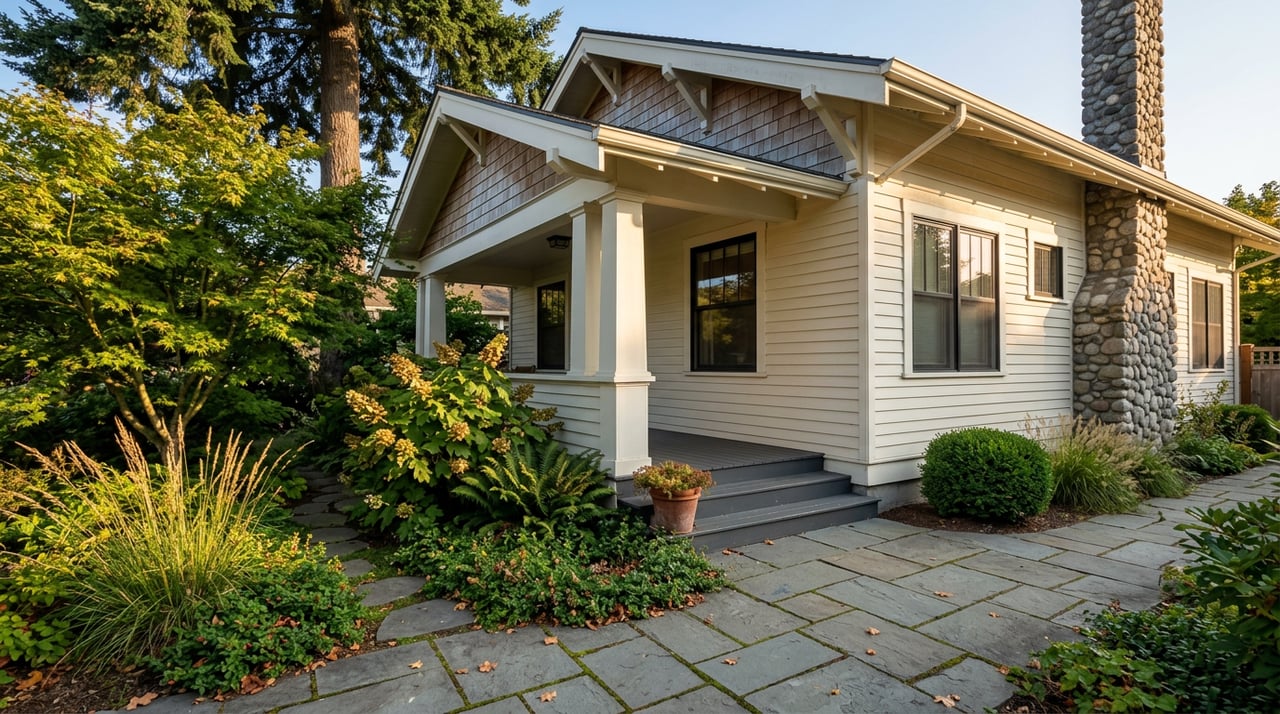
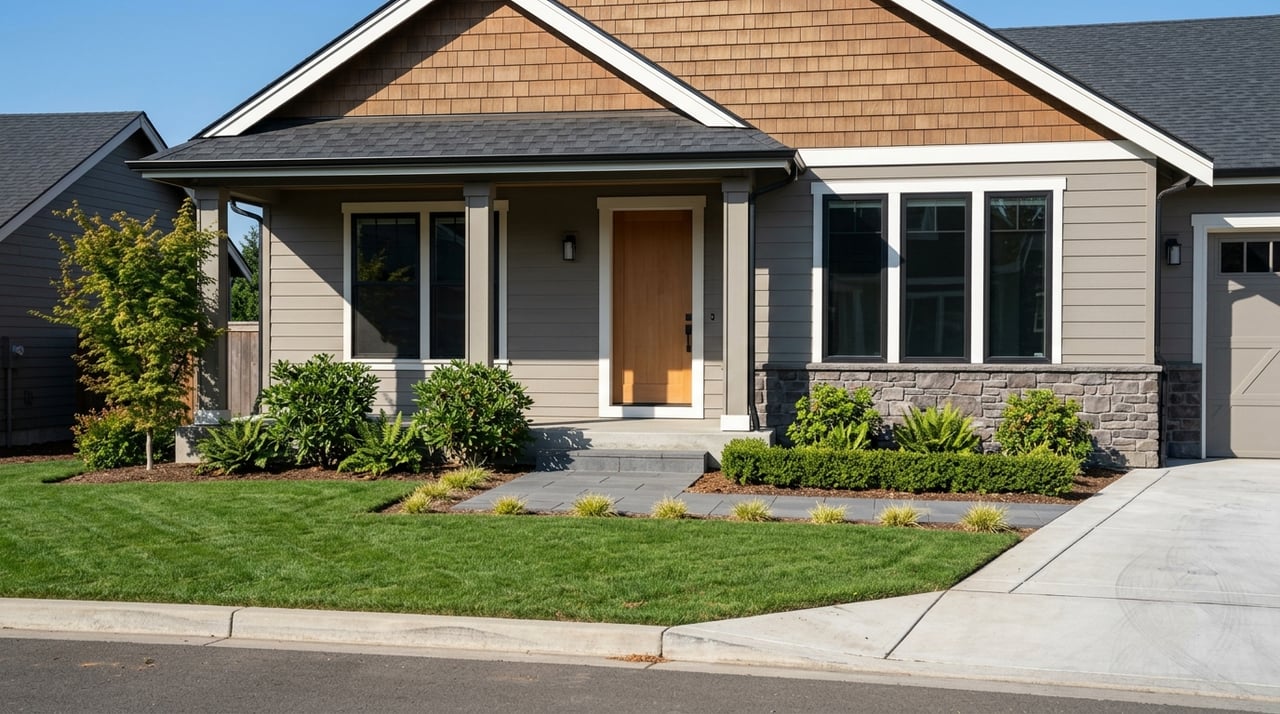
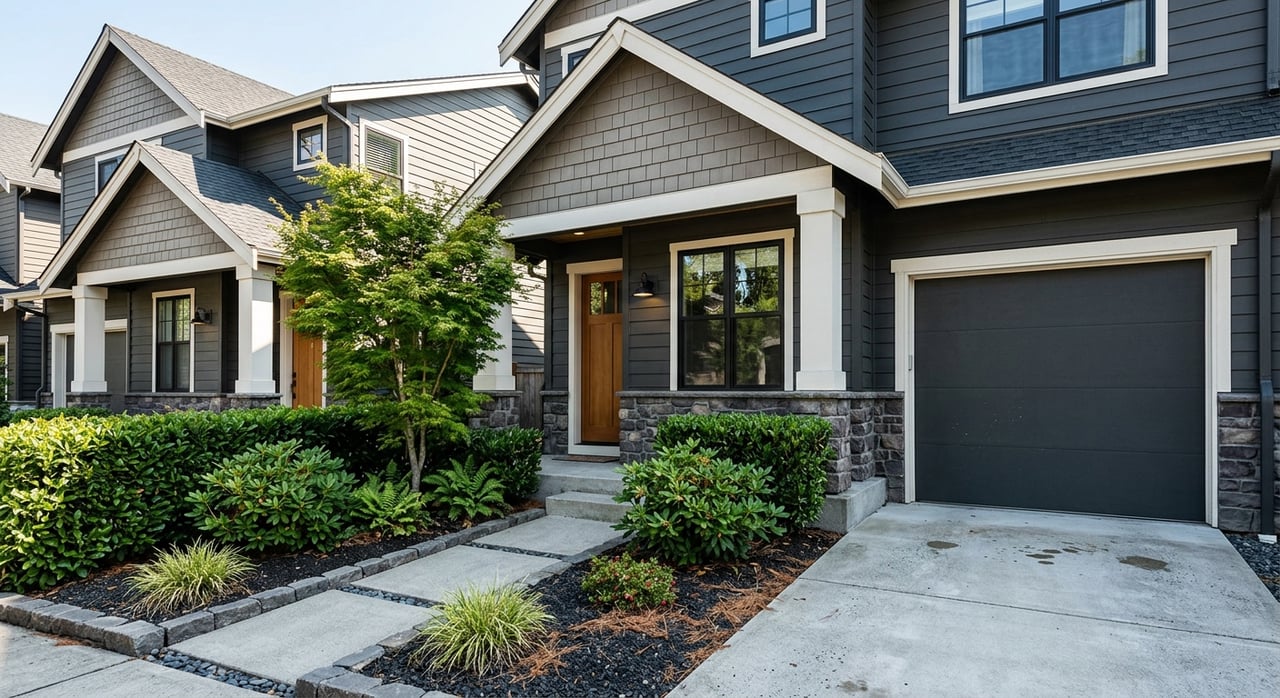
  • Decide on home style: older homes near downtown or newer construction in Snoqualmie Ridge.
  • Ask your agent for neighborhood-level data like recent comps and average days on market.

Use remote touring tools

  • Request professional 3D tours and high-resolution photos. Add a live video walkthrough that covers the street view, yard slope, and lighting at different times of day.
  • Ask for a detailed video of mechanicals: furnace, water heater, electrical panel, attic access, crawlspace, and drainage.
  • Review permits, disclosures, and any prior inspection reports. The National Association of Realtors offers helpful guidance on virtual showings and safety best practices.

Build your due diligence checklist

  • Schedule a full home inspection and add specialty inspections if needed, such as roof, sewer scope, chimney, mold, or pests.
  • For properties near rivers or hillsides, check flood and landslide considerations. Start with the FEMA Flood Map Service Center and ask your agent to confirm local requirements.
  • Confirm that your title company supports remote signings and identity verification. If you cannot visit in person, plan for a final walk-through contingency or independent inspection on arrival.

Coordinate your timeline

  • Use e-signatures and secure wire protocols with your lender, escrow, and title. Most local providers support remote closings.
  • If possible, plan a quick visit between inspection and closing to confirm repairs. If not, request photo and video proof and consider an escrow holdback for contractor work.

Commuting on I‑90

I‑90 is the main artery connecting Snoqualmie to Issaquah, Bellevue, and Seattle. Travel times can vary with weekday peaks, collisions, and winter recreation traffic. Check conditions before you go with WSDOT real-time updates.

Winter can bring chain requirements and temporary closures at Snoqualmie Pass. Review current traction rules and closures on WSDOT’s chain and traction information. If your employer offers flexible schedules, shifting start times can help you avoid peak congestion.

Public transit service exists but is less frequent than urban routes. Many commuters use park-and-ride lots, carpools, or vanpools for the I‑90 corridor. If you work hybrid, weigh broadband options at your address and consider a dedicated home office location.

Seasonal homeownership in the foothills

Living near the mountains means embracing four true seasons. A little preparation goes a long way toward comfort and peace of mind.

Winter readiness

Snoqualmie can see more snow and ice than the Puget Sound lowlands. Review the city’s snow response and your neighborhood’s responsibility for plowing and de-icing through City of Snoqualmie Public Works. Prepare for freezing temperatures with insulated pipes and routine heating-system maintenance. For outage updates and winter safety tips, check Puget Sound Energy.

Flood and drainage awareness

Some areas near the river or in lower valleys may be in mapped floodplains. Always verify a specific property using the FEMA Flood Map Service Center and review seller disclosures. If your lender requires flood insurance, build that into your budget.

Fire and vegetation management

On wooded lots at the urban-wildland edge, defensible space and vegetation care can reduce risk. Ask your agent to request seller notes and local guidance during due diligence.

HOAs, insurance, and utilities

If you are considering a planned neighborhood like Snoqualmie Ridge, request CC&Rs, rules, and financials early. Discuss insurance coverage with your provider, including any riders for flood or slope-related risks. Before you move, confirm trash and yard-waste pickup, water and sewer provider, and contact details through city resources.

Neighborhood snapshots

Each part of Snoqualmie offers a different daily rhythm. Here is a quick, neutral overview to help you narrow your search.

Downtown Snoqualmie and Falls area

  • Character: Historic core, small-lot homes, and an easy jump to riverfront viewpoints and parks.
  • Considerations: Visitor activity increases around Snoqualmie Falls during peak seasons.

Snoqualmie Ridge

  • Character: Master-planned community with sidewalks, parks, trails, and neighborhood retail.
  • Considerations: Newer construction and HOAs are common. Review community guidelines and fees closely.

River valley and rural edges

  • Character: Larger lots and acreage on the outskirts, with a more private feel.
  • Considerations: Verify well and septic where applicable, and assess access, road maintenance, and seasonal conditions.

Nearby communities to cross-shop

  • North Bend: Adjacent town with its own downtown and trail access. Housing styles and lot sizes vary.
  • Issaquah and Bellevue: Larger retail and employment centers to the west along I‑90.

Outdoor lifestyle

Snoqualmie is a natural basecamp for hiking, cycling, river time, and winter sports. Trails and viewpoints are close by, and mountain recreation is part of the seasonal rhythm. If skiing or snowboarding is part of your life, the Summit at Snoqualmie is within a typical weekend drive via I‑90.

Moving checklists and timing

Planning ahead reduces stress and helps you hit key deadlines.

Best windows to move

Late spring through early fall offers the lowest chance of snow or ice. The real estate market can be more active in spring and summer, so you may face more competition. Winter moves work with flexibility and weather backups.

8–12 weeks before move

  • Get mortgage pre-approval and align closing dates with your relocation schedule.
  • Book movers or a truck. If moving in winter, confirm weather-related cancellation policies.
  • Begin decluttering. Digitize important records and keep them in a secure cloud folder.

4 weeks before

  • Schedule utility transfers for electricity, water, sewer, and trash. Contact PSE for power and set internet installation appointments. Foothill internet lead times can be longer.
  • Start school enrollment steps and transfer medical records.

1–2 weeks before

  • Set a live remote final walk-through with your agent, ideally at the time of day you care most about for light and noise.
  • Pack a 72-hour essentials box: medications, warm clothing, pet supplies, chargers, basic tools, chains or winter-rated tires if arriving in cold weather, and paper copies of closing documents.

Day of move and arrival

  • Check travel conditions with WSDOT real-time updates and carry an emergency car kit if winter weather is possible.
  • On arrival, test heat, water, and electrical breakers. Document any issues with photos and notify your agent per your contract.

First 30 days

  • Update vehicle registration and driver licensing per Washington State rules.
  • Confirm trash and yard-waste schedules and sign up for local emergency alerts.

Daily life essentials

Taxes and ownership basics

Washington does not have a personal state income tax. King County manages assessments and property-tax billing. You can review assessment details and maps through the King County Assessor. If a property is in a mapped flood zone and you have a mortgage, flood insurance may be a lender requirement. Always verify the parcel using the FEMA Flood Map Service Center.

Ready to make your Snoqualmie move

If Snoqualmie feels like your next chapter, you deserve a guide who understands the foothills, the I‑90 rhythm, and the details that make homes here work for everyday life. Whether you need a live video tour, a floodplain check, or a shortlist of neighborhoods matched to your commute, we can help you move with clarity. Reach out to Stacy Hecht to start your Snoqualmie search and explore Pacific Northwest homes with confidence.
FAQs

How does the I‑90 commute work from Snoqualmie?

  • I‑90 is the main corridor to Issaquah, Bellevue, and Seattle, with variable travel times. Check WSDOT real-time updates for conditions, incidents, and travel speeds.

What should remote buyers ask for during virtual tours?

  • Request a guided video that covers street context, lighting at different times, and close-ups of mechanical systems. Review disclosures and use NAR’s virtual showing guidance for best practices.

How can I verify if a Snoqualmie home is in a floodplain?

Who manages property taxes for Snoqualmie homes?

  • King County handles assessments and property-tax billing. Review assessments and parcel details with the King County Assessor.

What winter prep should I plan for at a Snoqualmie home?

  • Inspect and service heating systems, insulate pipes, confirm snow removal responsibilities, and keep outage supplies ready. See Puget Sound Energy for safety and outage resources.

Are internet speeds consistent across Snoqualmie?

Where can I find information about local schools?

Work With Stacy

Stacy believes real estate is about people, not just properties. She’s attentive, dependable, and deeply committed to earning your trust. With her by your side, you’ll feel supported every step of the way.